When I first started decorating my living room, I was overwhelmed by all the trends. Modern minimalist, bohemian chic, industrial edgy—it felt like a new style popped up every week. But honestly, none of them truly resonated with me. I craved something deeper, something that felt rooted in history and comfort. That’s when I stumbled upon primitive living room ideas, and it was a game-changer for my home. It’s not just about old things; it’s about creating a space that feels genuinely lived-in, warm, and incredibly inviting. In this article, I’ll share my journey and the 12 best primitive living room ideas that brought rustic charm into my own home, showing you exactly how you can achieve this timeless look.
What Is Primitive Living Room Decor? Why It Matters
Primitive living room decor, at its heart, is about embracing simplicity, authenticity, and the beauty of handmade or aged items. Think of it like this: it’s the cozy, unpretentious cousin of farmhouse or rustic styles. It celebrates natural materials, muted color palettes, and pieces that tell a story, often showing signs of wear and age. For me, it matters because it creates a sanctuary from the fast-paced modern world. It’s a style that prioritizes comfort and character over sleek perfection, making your living space feel genuinely welcoming and unique.
Table of Contents
Embracing the Essence: Key Elements of Primitive Style
Creating a primitive living room isn’t about buying a whole new set of furniture. It’s about thoughtfully selecting pieces that evoke a sense of history and warmth. Here are some foundational elements I’ve found essential.
1. The Power of Patina: Aged Wood Furniture
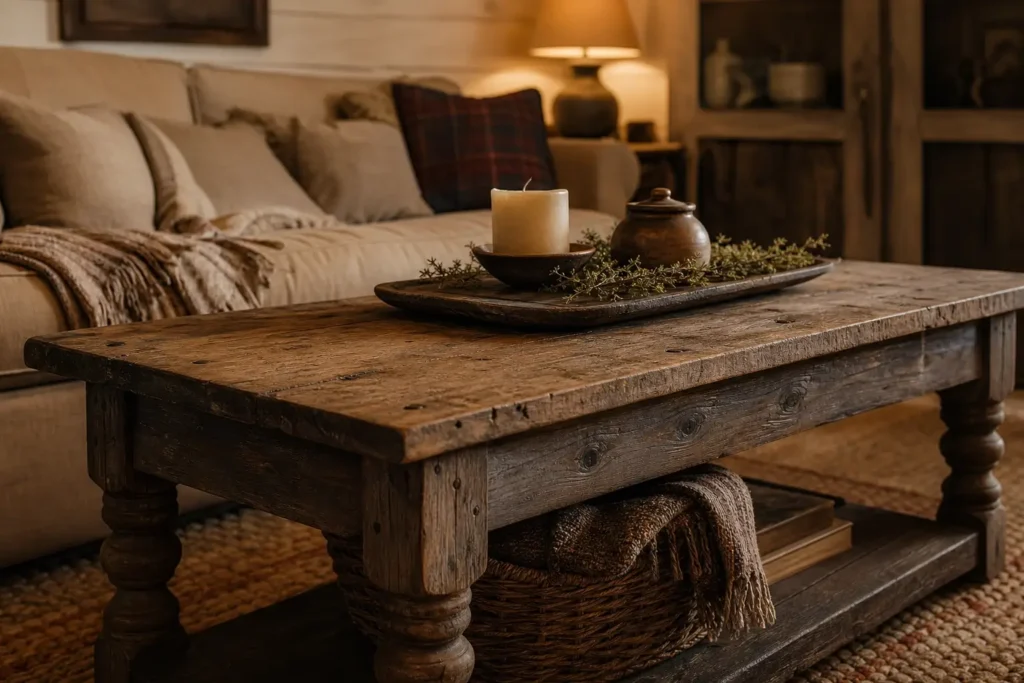
One of the first things I learned was the importance of aged wood. Forget shiny, new pieces. I looked for furniture with visible grain, knots, and a beautiful patina that only time can create. A distressed coffee table or an antique chest used as a side table instantly grounds the room.
2. Cozy Textiles: Woven Rugs and Throws
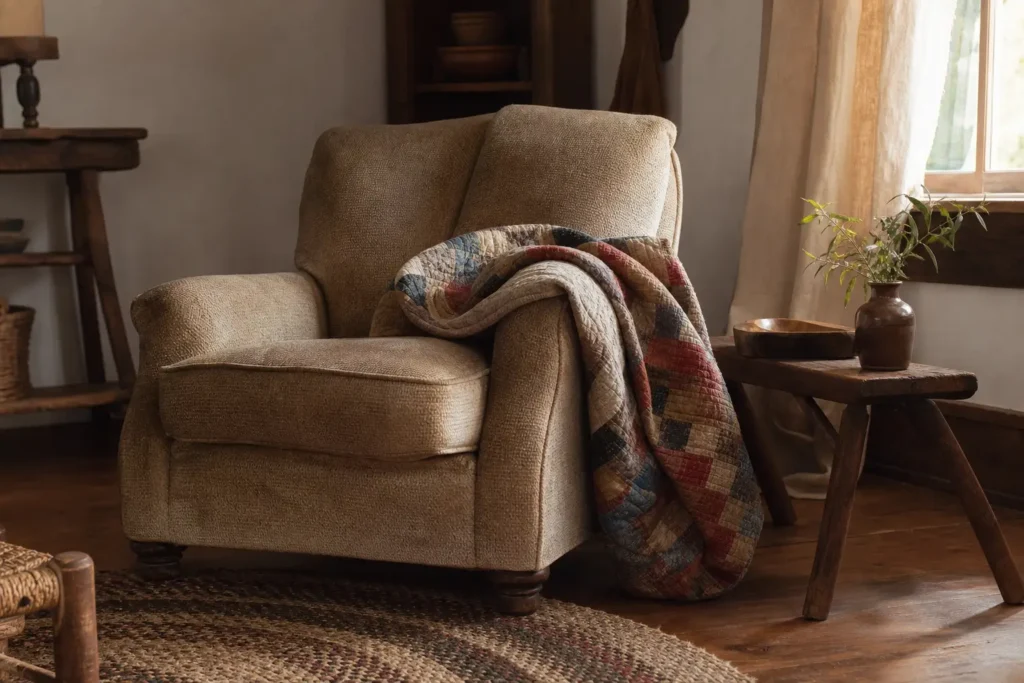
To add warmth, I layered textiles. Hand-woven rugs, especially those with simple patterns or natural fibers like wool, are perfect. Think chunky knit throws draped over a sofa or a quilt folded over an armchair. These elements soften the space and invite you to relax. Honestly, a good throw can transform a sterile room into a cozy haven.
3. Earthy Color Palettes: Muted Tones
My color palette shifted dramatically. I moved away from bright, bold colors and embraced muted, earthy tones. Think deep creams, soft grays, warm browns, and subtle greens or blues. These colors create a calming backdrop that highlights the textures and natural elements in the room. It’s about creating a harmonious, understated feel.
4. Simple, Functional Lighting: Lanterns and Candles
Lighting in a primitive space should be functional and atmospheric. I opted for lamps with simple bases and linen shades, and I absolutely love incorporating lanterns. Candlelight, whether from actual candles or battery-operated ones, adds an incredible warmth and a touch of old-world charm. It’s about creating a soft, inviting glow rather than harsh illumination.
5. Found Objects and Antiques: Decor with History
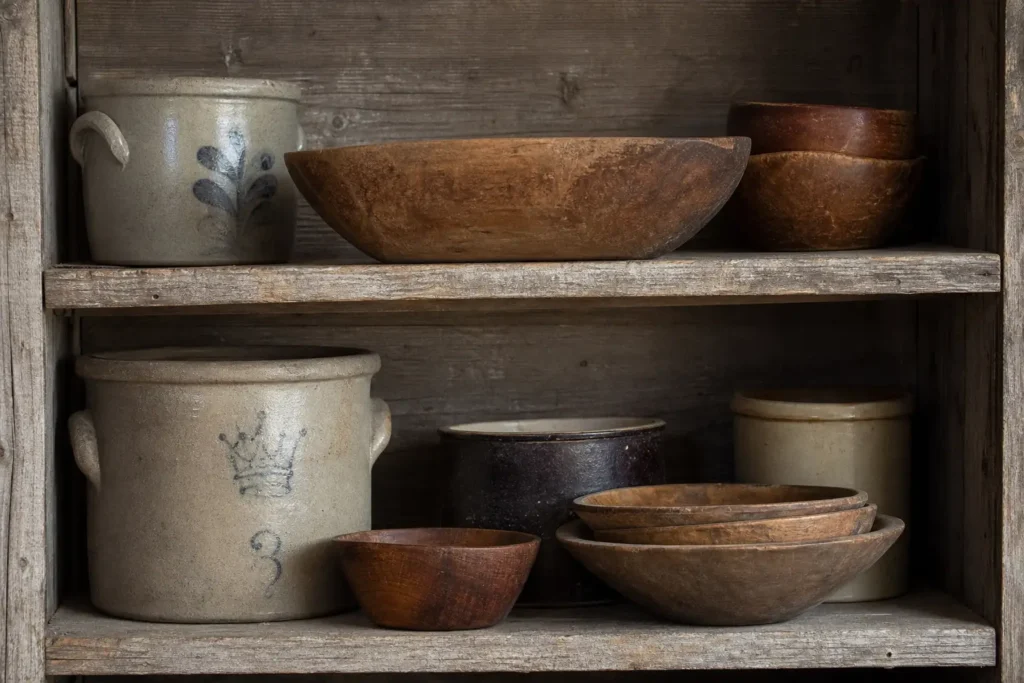
This is where the real fun begins. Primitive decor thrives on pieces with a past. I spent weekends browsing antique shops and flea markets, looking for things like old wooden bowls, vintage scales, or even simple stoneware crocks. These aren’t just decorations; they’re conversation starters. Each piece has a story, and that’s what makes a primitive living room feel so authentic.
6. Handcrafted Touches: Pottery and Folk Art
I quickly realized that handmade items are key. Pottery, especially pieces with a slightly imperfect, rustic feel, adds character. Folk art, like simple paintings or carved wooden figures, brings a unique, personal touch. These elements celebrate craftsmanship and human connection, which is central to the primitive aesthetic.
7. Natural Elements: Bringing the Outdoors In
Bringing natural elements indoors is crucial. I incorporated dried botanicals, branches in simple vases, and even small potted plants in terracotta pots. These natural touches connect the living space to the outdoors, enhancing the rustic feel. What surprised me was how much a few well-placed branches could transform the entire vibe of a room.
8. Exposed Beams and Stone: Architectural Details
If you’re lucky enough to have them, exposed wooden beams or a stone fireplace are primitive gold. They instantly add architectural character and a sense of history. If not, you can mimic the look with reclaimed wood accents or even a faux stone wall. I don’t have exposed beams, but I added a reclaimed wood mantel, and it made a huge difference.
9. Simple Window Treatments: Unfussy and Functional
Window treatments in a primitive living room should be minimal and functional. I opted for simple linen curtains or even just bare windows to let in natural light. The goal is to avoid anything too ornate or fussy, allowing the focus to remain on the natural textures and aged pieces within the room.
10. Woven Baskets: Storage with Style
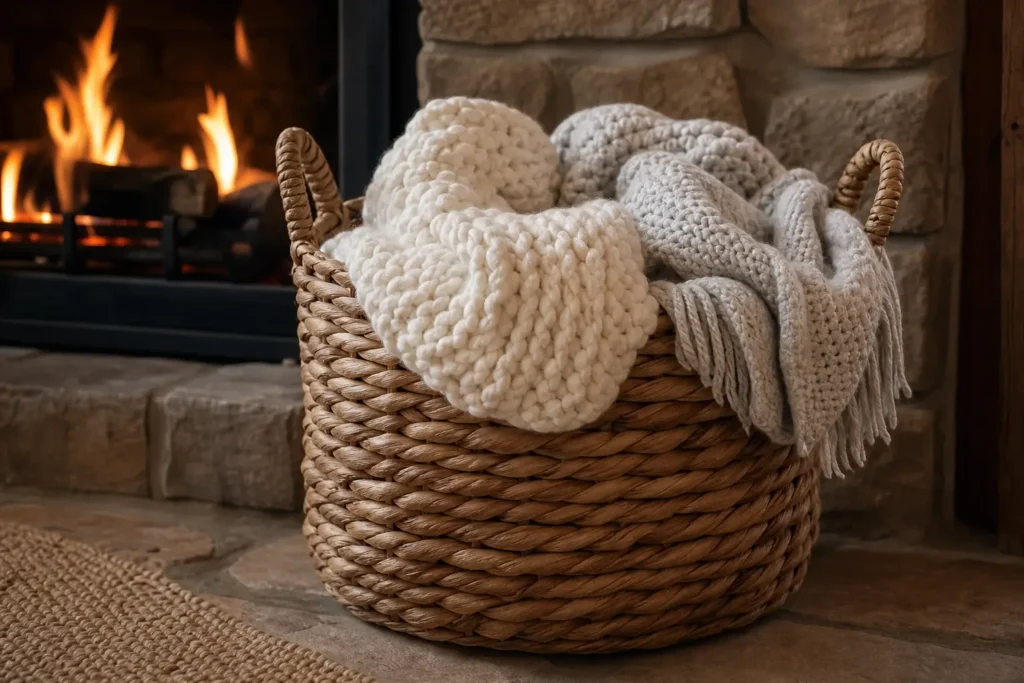
Woven baskets are not just practical for storage; they also add to the primitive aesthetic. I use them to store throws, magazines, or even firewood. Look for baskets made from natural materials like wicker, rattan, or seagrass. They add texture and a touch of rustic charm while keeping clutter at bay.
11. Primitive Art: Simple and Evocative
When it comes to art, think simple and evocative. I found that landscapes, still lifes, or abstract pieces with muted colors and a slightly aged look work best. Avoid anything too modern or brightly colored. The art should blend seamlessly with the decor, adding to the overall sense of calm and history.
12. The Hearth as a Focal Point: Fireplace Charm
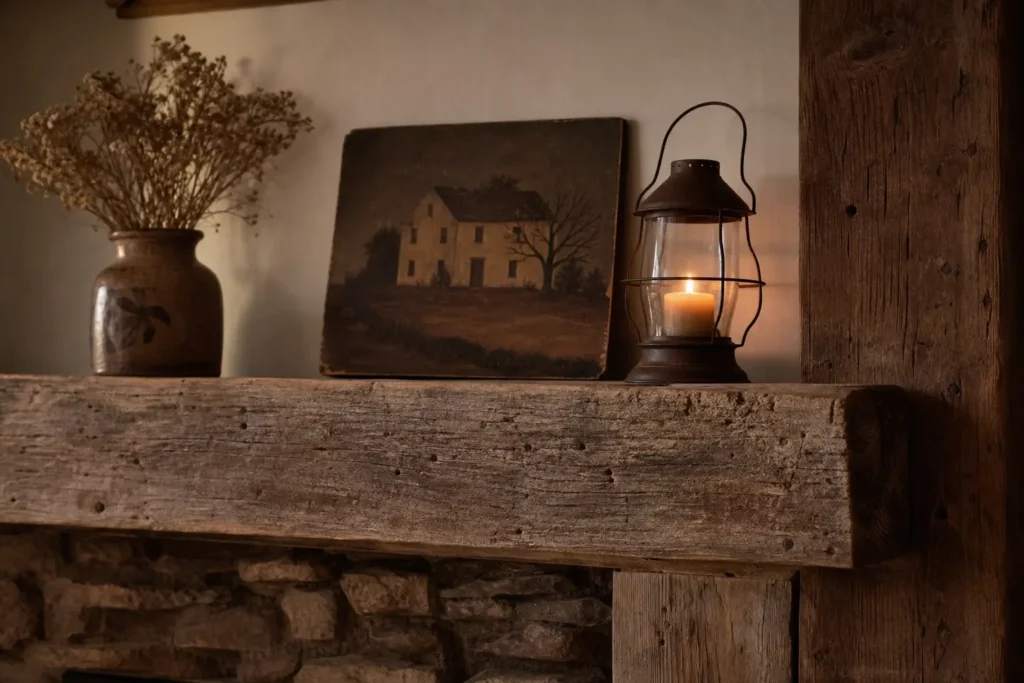
A fireplace, whether functional or decorative, is often the heart of a primitive living room. It provides warmth, comfort, and a natural focal point. I styled my mantel with a few antique pieces, a simple mirror, and some dried flowers. It instantly made the room feel more inviting and complete.
Common Mistakes People Make When Decorating Primitive Living Rooms
Honestly, I made a few of these mistakes myself when I first started. It’s easy to get carried away, but avoiding these pitfalls will help you create a truly authentic primitive space.
1. Overdoing the “Distressed” Look
I initially bought a few pieces that were overly distressed, and they ended up looking fake. The key is subtlety. Look for pieces with natural wear and tear, not those that look like they were attacked with a sander. Authentic patina takes time, and it shows.
2. Cluttering the Space
Primitive decor is about simplicity. I made the mistake of displaying every antique I found, and the room quickly felt cluttered and chaotic. Less is more. Choose a few key pieces and let them shine. A well-curated collection is far more impactful than a crowded room.
3. Ignoring Comfort
While primitive style embraces the old and worn, it shouldn’t sacrifice comfort. I once bought a beautiful antique chair that was incredibly uncomfortable to sit in. Remember, this is a living room. Ensure your seating is comfortable and inviting, even if it has a rustic look.
4. Forgetting the Importance of Lighting
I initially relied too much on overhead lighting, which felt harsh and modern. Primitive spaces need soft, layered lighting. Incorporate lamps, lanterns, and candles to create a warm, inviting atmosphere. The right lighting can completely transform the mood of the room.
Practical Tips to Get Better Results
Creating a primitive living room is a journey, not a destination. Here are a few practical tips I’ve learned along the way to help you achieve the best results.
1. Start Small and Build Over Time
Don’t try to transform your entire living room overnight. Start with a few key pieces, like a distressed coffee table or a woven rug, and build from there. This allows you to carefully curate your collection and ensure each piece truly fits the aesthetic.
2. Mix Old and New
You don’t have to use exclusively antique pieces. Mixing old and new can create a balanced, interesting look. For example, pair an antique chest with a comfortable, modern sofa in a muted color. The contrast adds depth and character to the room.
3. Focus on Texture
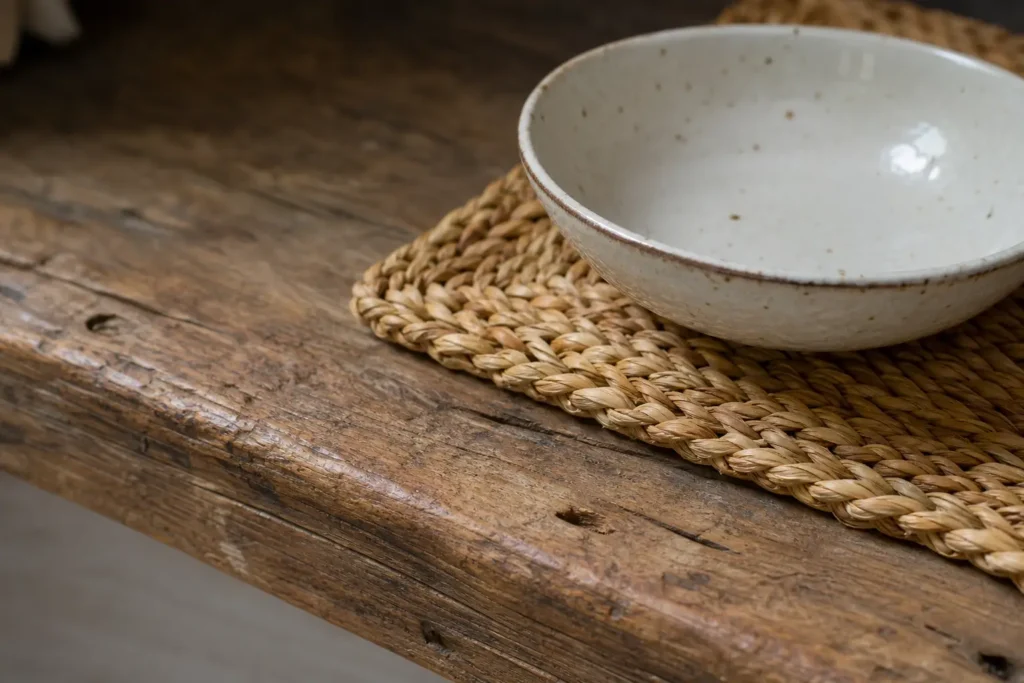
Texture is crucial in primitive decor. Incorporate a variety of textures, such as rough wood, soft wool, smooth pottery, and woven baskets. This adds visual interest and makes the space feel more dynamic and inviting.
4. Trust Your Instincts
Ultimately, your living room should reflect your personal style and taste. Don’t be afraid to experiment and trust your instincts. If a piece speaks to you and fits the primitive aesthetic, incorporate it into your space. The most authentic primitive rooms are those that feel personal and curated.
Creating a primitive living room has been one of the most rewarding decorating projects I’ve undertaken. It’s transformed my space into a true sanctuary, a place where I can relax and feel connected to a simpler time. The warmth, the history, and the unpretentious charm of this style are truly special. If you try incorporating some of these primitive living room ideas, let me know in the comments below how it turns out for you!