I still remember standing at the edge of my newly plastered pool, staring at the raw concrete border, and thinking — something is seriously missing here. The water looked great. The landscaping was coming along. But the pool edge? It looked unfinished. That’s when I went deep into researching swimming pool coping ideas, and honestly, what I found completely changed how the entire backyard felt.
If you’re building a new pool or renovating an old one, this article will walk you through 14 stunning coping and tile combinations that can take your backyard from “basic” to genuinely resort-like. I’ve personally reviewed dozens of real installations, talked to pool contractors, and tested a few of these finishes myself. Let’s get into it.
What Is Swimming Pool Coping ideas And Why Does It Actually Matt
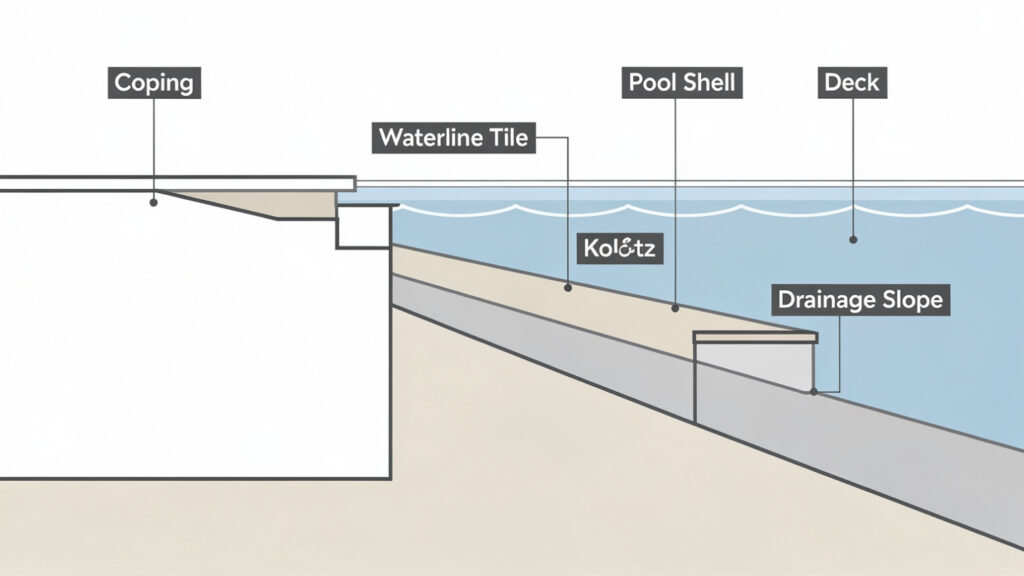
Pool coping is the material that caps the edge of your pool shell. It sits right at the waterline border, bridging the pool structure and the surrounding deck.
Here’s the thing most people don’t realize — coping isn’t just decorative. It protects the pool shell from water damage, prevents deck water from flowing directly into the pool, and gives swimmers a safe, comfortable grip when getting in and out.
Think of it like the frame on a painting. The art inside (your pool water) might be beautiful, but the wrong frame makes the whole thing look cheap. The right one? It elevates everything around it.
14 Swimming Pool Coping and Tile Ideas Worth Trying
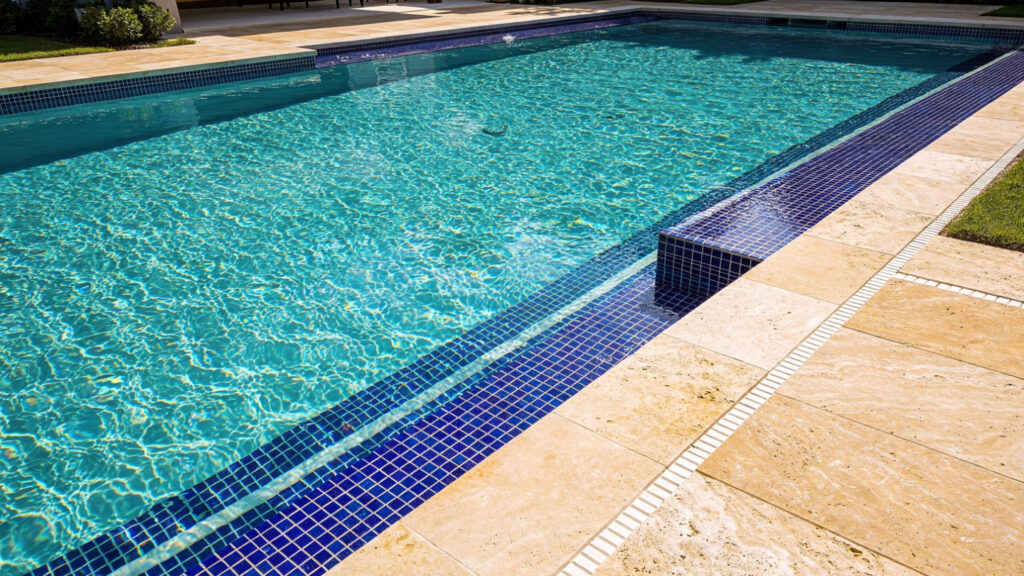
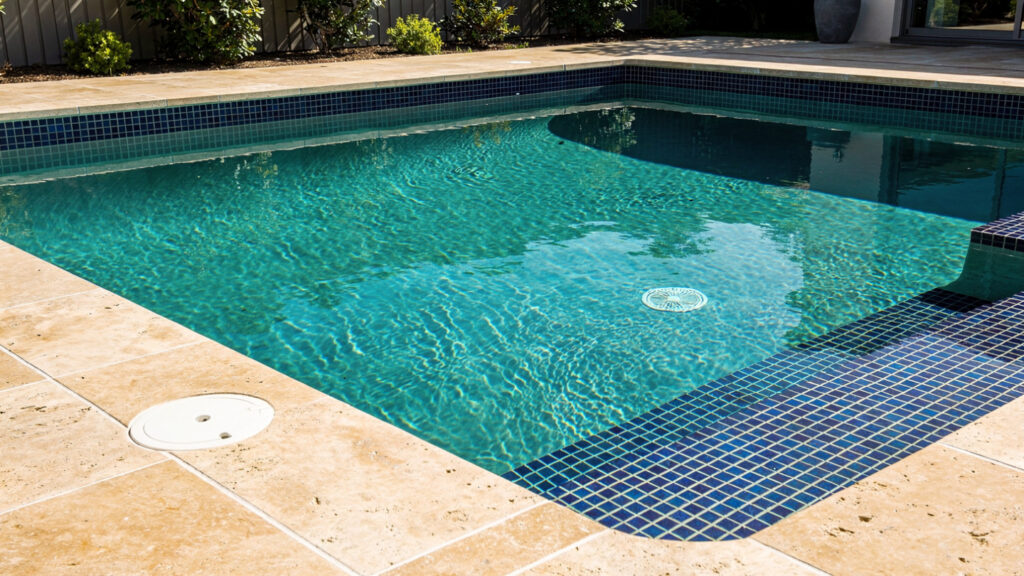
1. Travertine Coping With Mosaic Waterline Tile
Travertine is one of my all-time favorites. It’s naturally slip-resistant, stays cool underfoot in summer heat, and has that warm, earthy tone that pairs beautifully with blue water.
Pair it with a small mosaic tile at the waterline — think iridescent glass in teal or cobalt — and the result is genuinely stunning.
2. Bullnose Brick Coping With Terracotta Tile
If you want a Mediterranean or Tuscan feel, this combo is hard to beat. Bullnose brick coping has a smooth, rounded edge that’s comfortable for lounging.
I saw this used in a renovation in Arizona — the homeowner added a hand-painted Spanish tile border along the waterline. It looked like something out of a villa.
3. Natural Limestone With White Subway Tile
Clean. Classic. Timeless. Limestone coping in a soft cream or ivory tone pairs perfectly with white subway tiles arranged in a stacked or offset pattern.
This is a great choice if you want your pool to look expensive without going overboard on color.
4. Cantilever Concrete Coping With Pebble Mosaic Tile
Cantilever coping where the deck overhangs the pool edge — gives a sleek, modern look. When you add a pebble mosaic tile at the waterline, it softens the modern edge with a natural texture.
What surprised me was how well this combination held up over time. The concrete doesn’t show age as fast when it’s paired with a busy tile pattern that distracts the eye.
5. Bluestone Coping With Glass Tile Strip
Bluestone has a cool gray-blue tone that feels upscale and sophisticated. Pair it with a single strip of iridescent glass tile right at the waterline, and you get a shimmering effect that makes the pool look alive.
This works especially well in shaded or north-facing backyards where you want the tile to catch light from any angle.
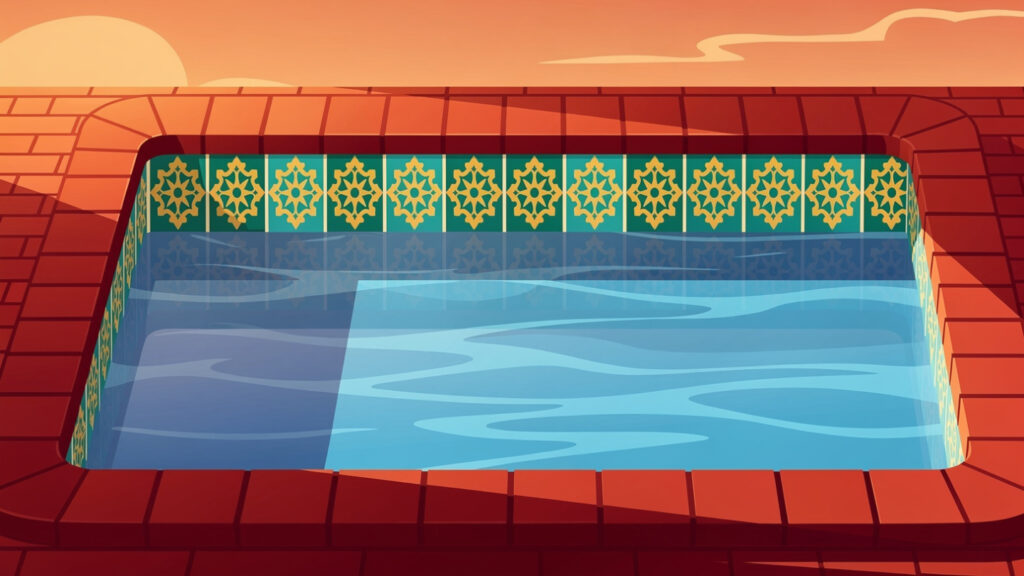
6. Brick Coping With Zellige Moroccan Tile
Zellige tiles are handmade, slightly irregular, and absolutely gorgeous. Each one is slightly different — which gives your pool a one-of-a-kind character.
Combine it with classic brick coping and you get a warm, artisan look that feels intentional and high-end.
7. Porcelain Paver Coping With Large-Format Pool Tile
Porcelain is incredibly durable, frost-resistant, and low maintenance. As coping, it delivers a seamless, contemporary look especially when you use the same material on the surrounding deck.
Large-format tiles (think 12″x24″ or larger) at the waterline give a clean, hotel-pool aesthetic that’s very popular right now.
8. Flagstone Coping With Glass Pebble Tile
Irregular flagstone gives your pool a natural, organic feel — like the water is set into a rocky landscape. When you add glass pebble tile in green, amber, or blue, it reinforces that natural look while adding sparkle.
I’ve seen this done beautifully in Pacific Northwest backyards where the surrounding landscape is lush and green.
9. Sandstone Coping With Copper Penny Tile
This might sound unusual, but copper penny tiles — small, round, metallic mosaic tiles — look incredible against sandstone coping. The warm tones complement each other, and the metallic shimmer of the penny tile catches sunlight in a way that’s really unique.
Honestly, this is one of the most underrated combinations I’ve come across.
10. Concrete Coping With Bold Geometric Tile
Raw concrete coping with a bold geometric tile (think black and white Moroccan hexagon patterns) creates a striking modern-boho contrast.
This is a great low-cost option that still looks intentional and designed. The tile does all the visual heavy lifting.
11. Tumbled Marble Coping With Blue Arabesque Tile
Tumbled marble has a vintage, worn look that feels luxurious in a soft way. Paired with blue arabesque (teardrop-shaped) tiles, the combination feels romantic and Mediterranean.
This works especially well for smaller pools or plunge pools where you want maximum visual impact in a compact space.
12. Wood-Look Porcelain Coping With Black Tile Stripe
Faux wood porcelain has come a long way. It looks realistic, it’s waterproof, and it gives a warm natural feel without the maintenance nightmare of real wood.
Add a thin black tile stripe at the waterline for contrast and definition. The result is sharp, modern, and surprisingly elegant.
13. Granite Coping With White Glass Tile
Granite coping is incredibly hard-wearing and available in dozens of natural patterns. The speckled texture of granite pairs beautifully with the clean, reflective surface of white glass tile.
This combo reads as modern but not cold — especially if you choose a warmer-toned granite like Golden Sunset or Brown Butterfly.
14. Coral Stone Coping With Nautical Navy Tile
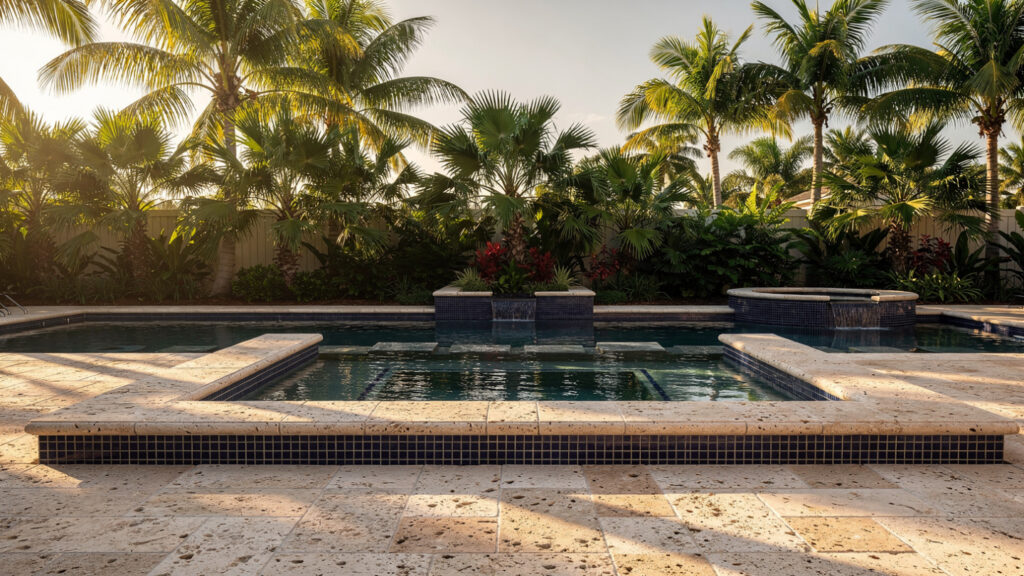
Coral stone (also called keystone coquina) is a unique, shell-embedded natural stone used commonly in Florida pool designs. It has a soft, organic texture and a warm beige color.
Pair it with deep navy blue tiles and you get a coastal look that feels like a private beach resort. It’s one of those combinations that makes guests stop and stare.
Common Mistakes People Make With Pool Coping and Tile
I’ve made a few of these myself, and I’ve seen others make them too.
Mistake 1: Choosing tile only for looks. Waterline pool tiles need to handle constant water exposure, chemical treatment, and temperature changes. I once saw a homeowner use decorative indoor tile on their waterline. Within one season, the grout was cracking and tiles were popping off.
Mistake 2: Ignoring slip resistance. Coping is where people walk, sit, and step in and out of the pool. I’ve seen beautiful polished marble coping become a liability — it gets dangerously slippery when wet. Always check the DCOF (Dynamic Coefficient of Friction) rating before buying.
Mistake 3: Mismatching scale. Large tiles on a small pool can look overwhelming. Small mosaic tiles on a large commercial-style pool can look cheap and unfinished. Match the scale of your tile to the scale of your pool.
Mistake 4: Skimping on the grout. Pool environments are harsh. Standard grout will stain, crack, and absorb chemicals. Always use epoxy grout for waterline and coping installations — it’s completely worth the extra cost.
Mistake 5: Forgetting about drainage. Coping should slope slightly away from the pool (at least 1/8″ per foot) so deck water doesn’t flood back into the pool. I’ve seen this overlooked in DIY projects, and it causes real water balance problems.
Practical Tips to Get Better Results
Tip 1: Pull samples in natural light. Tile samples look very different under store lighting versus afternoon sun. Always take samples home and view them next to your actual pool water at different times of day.
Tip 2: Hire a tile setter with pool experience specifically. Pool tile installation is different from bathroom or kitchen tile. The adhesives, grout, and waterproofing methods are specialized. A general tile contractor can easily get this wrong.
Tip 3: Think about your deck material when choosing coping. Your coping should visually connect your pool to your deck. If you have a wood deck, warm-toned travertine or sandstone coping will look cohesive. If you have a concrete deck, consider matching or contrasting tones intentionally.
Tip 4: Don’t overlook coping thickness. Thicker coping (2″ or more) tends to look more substantial and luxurious. Thin coping can look flimsy, especially on larger pools.
Tip 5: Consider coordinating your waterline tile with your pool interior. The tile at the waterline will visually frame the pool interior. If your pool has a dark pebble finish, a lighter waterline tile creates nice contrast. If the interior is a pale blue plaster, a darker tile adds definition.
Frequently Asked Questions
What is the best material for pool coping? Travertine and natural limestone are widely considered the best for residential pools. They’re slip-resistant, heat-tolerant, durable, and look beautiful. Porcelain is also excellent for low-maintenance modern designs.
How much does pool coping cost? On average, pool coping costs between $30–$100 per linear foot installed, depending on the material. Travertine runs on the lower to mid end, while custom stone or granite can reach the higher range.
Can I install pool coping myself? Technically yes, but it’s not recommended unless you have masonry experience. Improper installation can lead to coping shifting, water intrusion into the pool shell, and potential safety hazards.
How often does pool coping need to be replaced? High-quality coping can last 20–30 years with proper maintenance. Look for signs of cracking, hollow spots (tap the coping — a hollow sound means it’s detaching), or deteriorating grout as indicators it needs attention.
What tile is best for pool waterline? Glazed porcelain and glass tiles are the most popular choices. Both handle pool chemicals well, resist staining, and are easy to clean. Glass tile adds a luxurious shimmer effect.
If you’re planning a pool build or renovation, I’d encourage you not to rush the coping and tile decision. It’s one of the most visible parts of your pool and one of the most expensive to redo after the fact. Take your time, pull real samples, and choose something you’ll still love in ten years.
If any of these swimming pool coping ideas sparked something for your project, drop a comment below I’d love to hear what direction you’re going in.